Boats for Sale in Virginia
A used boat in Virginia could have spent its life on a mountain reservoir, a tidal river or the lower Chesapeake, and that history matters more than the model year.
Title, registration and tax
The Virginia Department of Wildlife Resources (DWR) handles titles and registration. Any watercraft propelled by machinery needs both a Certificate of Title and a Certificate of Number, and that covers gas, diesel and electric motors. Sailboats over 18 feet must also be titled.
Buyers pay a 2% watercraft sales and use tax on the purchase price of the boat and motor, capped at $2,000 per transaction. Individuals file Virginia Tax Form WCT-3A before titling. That tax replaces the regular retail sales tax, so you don't pay both. Ask the seller for the signed title. A title missing at the point of sale should end the conversation until the seller sorts it out.
Boating safety education
Virginia's requirement has been fully in force since July 1, 2016. Every PWC operator and every operator of a motorboat with a 10 hp or larger engine, regardless of age, must carry a boating safety course completion card. Nobody under 14 may run a PWC. Operators aged 14 and 15 must have completed an approved course; the challenge exam doesn't count for them.
DWR runs a free classroom course called Boat Virginia and accepts approved online courses. Experienced boaters can take an equivalency exam instead.
PWC rules include these:
- Everyone aboard, and anyone being towed, wears a life jacket. Inflatables are not allowed.
- No PWC operation between sunset and sunrise.
- No wake within 50 feet of docks, ramps, swimmers and boats.
Where to boat
Smith Mountain Lake, southeast of Roanoke, is the state's best-known inland lake and is lined with marinas and lake houses. Lake Anna sits between Richmond and Fredericksburg. Claytor Lake is in the southwest, and Kerr Lake (Buggs Island) and Lake Gaston straddle the North Carolina line.
On the coast, Hampton Roads mixes recreational boats with naval and commercial shipping around Norfolk. The Rappahannock, York and James rivers lead into the bay. The Eastern Shore gives access to the seaside bays and inlets of the Atlantic.
Popular boats
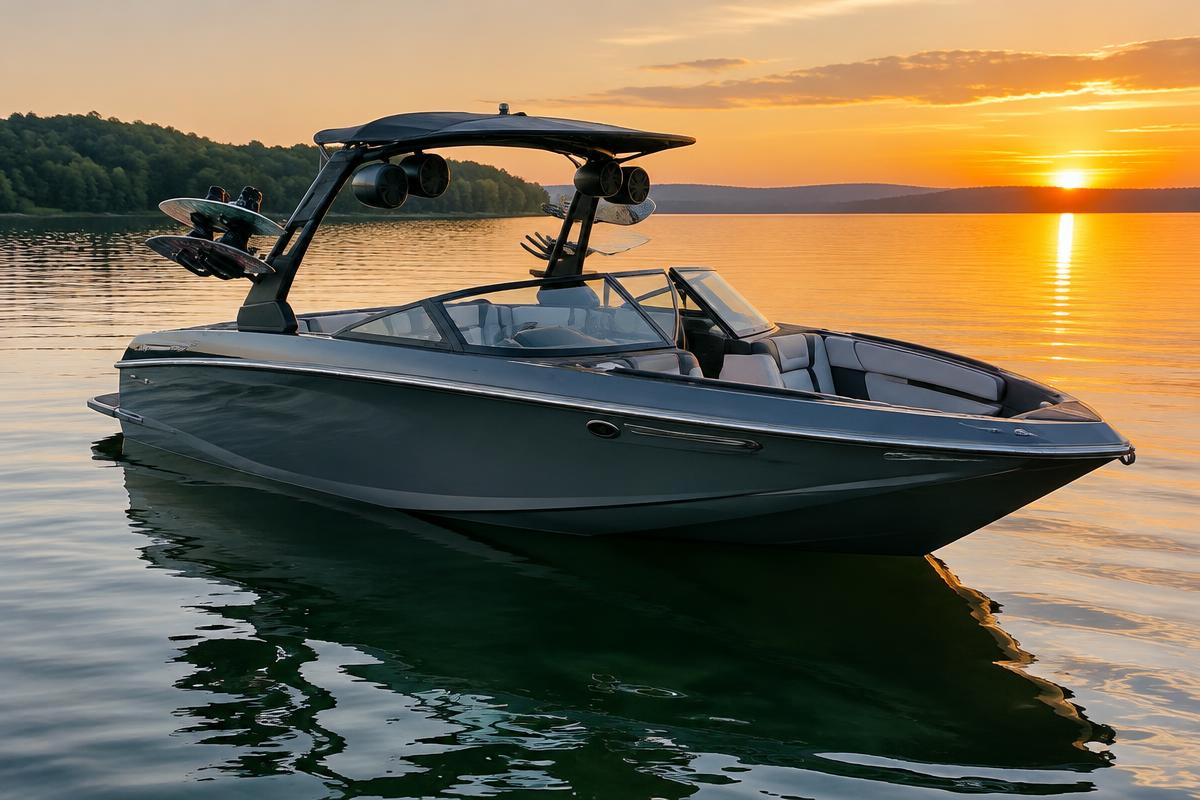
Center consoles and bay boats suit the rivers and bay. Chesapeake deadrise hulls are a regional tradition. Pontoons, bowriders and wake boats rule Smith Mountain and Anna.
Season
Lake boating peaks from Memorial Day to Labor Day, but saltwater anglers on the bay and rivers often fish well into fall. Plan winterization if the boat will sit in a cold month; inland lakes see freezing nights.
Buying tips for Virginia boats
Ask where the boat was kept. Brackish water is still corrosive, so check trailer brakes, wiring, steering cables and outdrives. A boat that sat in a wet slip needs its bottom inspected for blisters and growth. Budget the 2% tax before agreeing a price. Bay chop is hard on hulls, so look for stress cracking around the console and transom. If you're buying a PWC for a teenager, make sure they're at least 14 and have completed the course.
1 boat for sale
Frequently asked questions
Do I need a boating safety course in Virginia?
Yes, if you operate any PWC or a motorboat with a 10 hp or larger engine. Age doesn't matter.
What tax do I pay on a used boat in Virginia?
2% watercraft sales and use tax, capped at $2,000.